Urban areas are experiencing an increasing number of climate-related challenges, including rising temperatures, pollution, and unpredictable weather patterns. To address these growing issues, adaptive window technologies have emerged as a powerful solution to enhance the resilience of buildings and improve urban living conditions. These technologies are designed to respond dynamically to changing environmental factors, thereby offering a smart way to tackle the effects of climate change within cities. One of the most notable advantages of adaptive window technologies is their ability to regulate heat and light levels inside buildings. This is particularly important as urban areas tend to have a higher concentration of concrete and asphalt, which absorb and retain heat, contributing to the urban heat island effect. By using materials or coatings that can adjust their thermal properties, adaptive windows can reduce the need for artificial heating or cooling, leading to energy savings and improved indoor comfort.
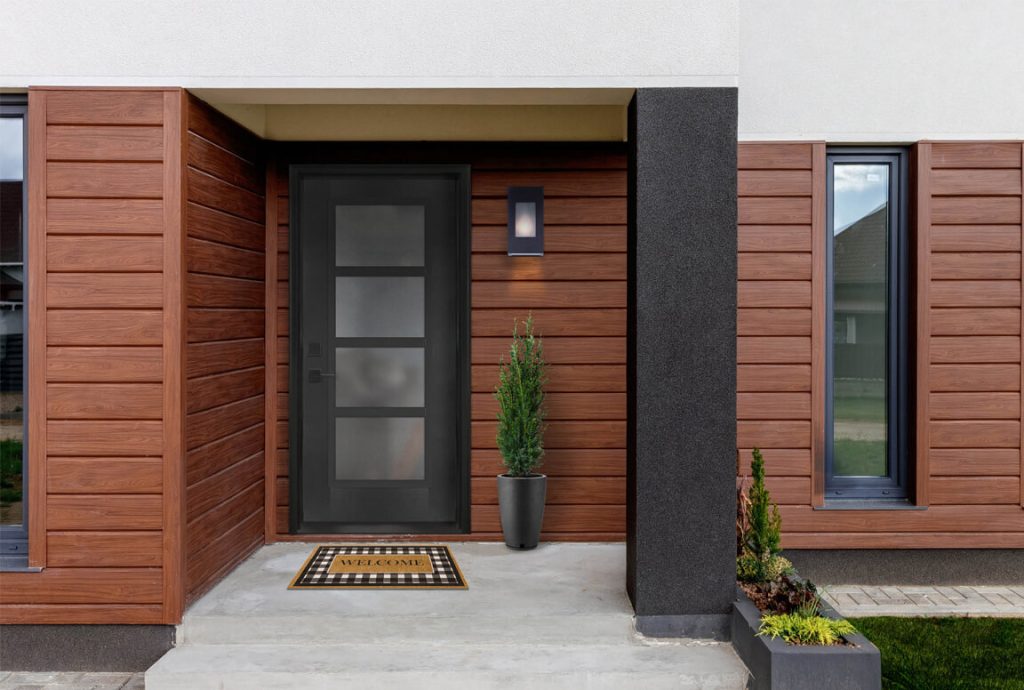
Furthermore, adaptive windows are effective in improving energy efficiency in buildings. As cities continue to expand, buildings consume an increasing amount of energy for heating, cooling, and lighting. By incorporating smart window technologies that react to environmental conditions, energy consumption can be minimized. These windows can automatically adjust their tint, reflectivity, or even open and close in response to the outside temperature or sunlight, optimizing the building’s energy use and reducing the carbon footprint of urban structures. This not only leads to cost savings for building owners but also contributes to the overall sustainability of cities by lowering energy demand and reducing greenhouse gas emissions. In addition to their energy-saving capabilities, adaptive windows also provide benefits for air quality and noise reduction in urban areas. Cities often face significant levels of air pollution and noise, which can have detrimental effects on the health and well-being of residents.
Another key feature of adaptive window technologies is their ability to enhance the aesthetic appeal and architectural flexibility of urban buildings and visit original site amazingarchitecture.com. These windows can be integrated into a variety of designs and styles, allowing architects and designers to create buildings that are both functional and visually appealing. The adaptability of the windows ensures that they can be used in diverse climates and building types, making them an ideal solution for cities facing a wide range of environmental challenges. Ultimately, adaptive window technologies offer a comprehensive approach to tackling urban climate challenges. By improving energy efficiency, air quality, and comfort, while also contributing to the aesthetic value of buildings, these technologies play a vital role in creating more sustainable, livable cities. With continued advancements in materials science and engineering, adaptive window systems will become even more effective in responding to the ever-evolving climate conditions of urban environments.