One of the biggest challenges in retail isn’t getting customers through the door—it’s getting them to slow down once they’re inside. If shoppers move too quickly from one section to the next, they naturally see fewer products and miss opportunities to discover items they didn’t plan to buy.
The layout of your fixtures plays a big role in controlling that pace.
Fast Browsing Often Means Missed Sales
Long rows of shelving encourage customers to keep moving.
While shelving is essential for storing and organizing inventory, it doesn’t always invite people to stop and explore. Feature fixtures placed in the right locations can interrupt that flow and encourage customers to take a closer look.
These pause points are valuable because they increase the amount of time customers spend interacting with merchandise.
Build Displays Around Themes
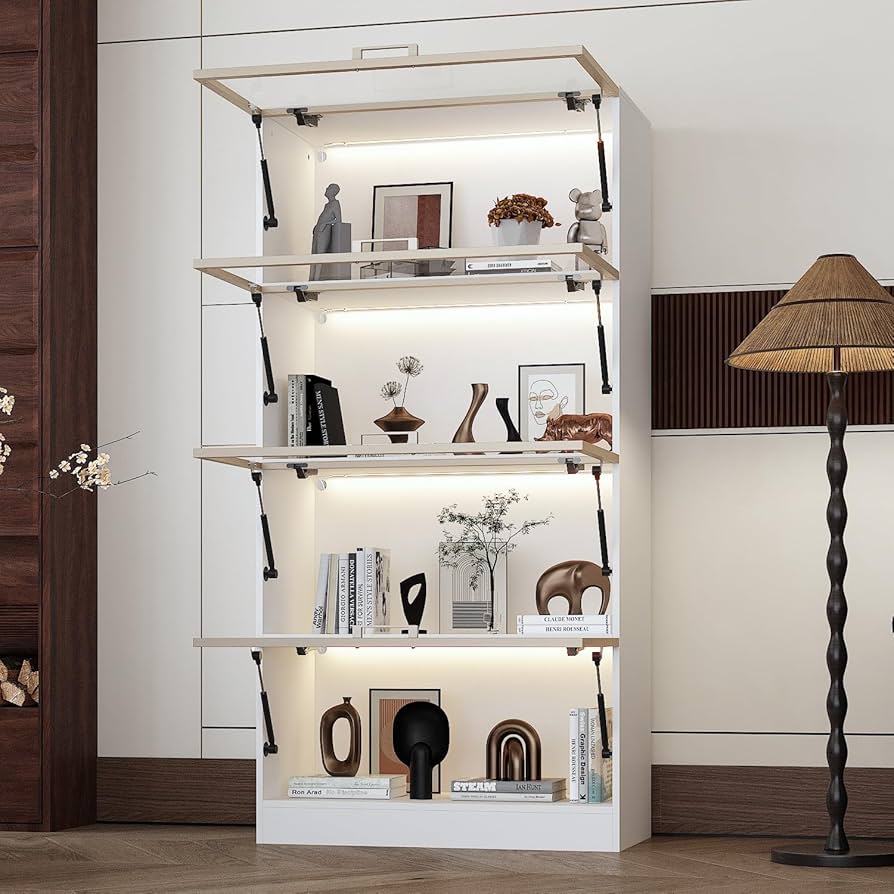
Instead of filling a table with random products, group items that naturally belong together.
For example:
- seasonal collections
- gift ideas
- coordinated outfits
- complementary accessories
Customers are more likely to purchase multiple products when they can immediately see how they work together.
Position Displays Where Customers Naturally Pause
Not every fixture belongs against a wall.
Freestanding retail store display tables work especially well in open areas where customers naturally slow down, such as near entrances, between departments, or at the end of main walkways.
These locations create opportunities for product discovery without interrupting the overall flow of the store.
Keep the Table Easy to Browse
A display table should never feel like a storage area.
If products are stacked too high or packed too tightly, customers may hesitate to pick anything up. A cleaner arrangement makes it easier to browse and helps individual products stand out.
The goal is to make shopping feel effortless.
Refresh Feature Tables Regularly
Customers quickly become familiar with displays that never change.
Rotating merchandise doesn’t always mean replacing every product. Sometimes changing the arrangement, introducing a new colour palette, or highlighting a different collection is enough to catch the attention of repeat visitors.
Small updates help keep the sales floor feeling active.
Use Different Heights to Create Interest
Displays that sit completely flat can appear repetitive.
Adding a little variation with folded apparel, risers, or display props helps create depth without making the presentation feel busy.
The result is a display that’s easier to scan from a distance and more inviting once customers get closer.
Balance Display Space With Walking Space
Feature tables should encourage browsing, not block movement.
Leave enough room around each display so customers can comfortably walk around it without feeling crowded. Open walkways make the store feel larger and help featured products receive more attention.
A little extra space often improves the shopping experience more than adding another fixture.
What This Comes Down To
Display tables do more than hold products. When they’re positioned thoughtfully and merchandised with a clear purpose, they help shape how customers move through the store.
Creating a few well-planned feature areas can encourage shoppers to browse longer, discover more products, and leave with a better overall impression of the store.